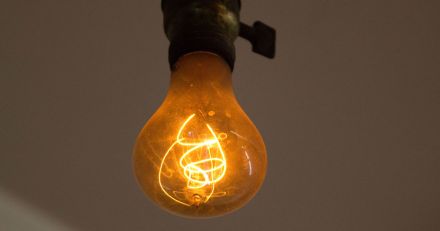
 Building light bulbs to last poses a vexing problem: no one seems to have a sound business model for such a product.
Source: The L.E.D. Quandary: Why There’s No Such Thing as “Built to Last” – The New Yorker
Building light bulbs to last poses a vexing problem: no one seems to have a sound business model for such a product.
Source: The L.E.D. Quandary: Why There’s No Such Thing as “Built to Last” – The New Yorker
 Growing crops in the city, without soil or natural light.
Device costs less than $5 and can accurately measure the number and speed of swimmers. Source: With racy sperm pics on a smartphone, men can easily test fertility | Ars Technica If only Theranos could do as well!
This is just a research project. But it’s still impressive. Smartphones have elaborate sensors, computation, networking, and even databases. Adding a custom sensor modifier will bring lots of inexpensive tests, medical and otherwise.
 In documents filed in federal court this week, the San Francisco company Lily Robotics blames its demise on excessive product demand and a funding drought. Source: Lily details failure, refund plans in bankruptcy filing
After getting burned by one Kickstarter project that died, I realized that very smart EEs think that if they can make 3 prototypes, everything else is just “details.” But high-volume, tight-tolerance manufacturing is its own field, and competition from excellent companies is stiff. So even if it eventually succeeds, by the time a Kickstarter hardware project has filled its initial orders, conventional companies will have equivalent products in the stores.
This is how home IoT ought to work. But overall, this service is going to figure in a lot of divorce lawsuits! Excerpts from the article: Continue reading
I’m going to list some oddball potential case study opportunities for my students here. (I’m teaching 3 courses in April, all requiring papers!).
Having a computer and a person you’ve never met pick clothes out for you, based on a style questionnaire and your social media photos, seems an odd concept. But San Francisco’s Stitch Fix and Le To…
Source: Style by subscription: Why clothing-to-your door is so popular – Silicon Valley
This is relevant to GPS students who are considering where they will fit in the data analytics/big data world.
Interview of Emily Robinson, who transitioned from a social science background to a career in data science, recently becoming a data analyst at Etsy.
Source: Emily Robinson, from Social Scientist to Data Scientist – FORWARDS
 Art and Science in Technology - Roger Bohn's Blog